
Introduction
Living a zero waste lifestyle doesn’t mean producing absolutely no trash. Instead, it’s about reducing waste as much as possible by making smarter choices, reusing what you own, and buying only what you truly need. Even small daily changes can significantly reduce your environmental impact while saving money and creating healthier habits.
A zero waste lifestyle focuses on minimizing household waste through reducing consumption, reusing products, recycling correctly, and composting organic materials. The goal isn’t perfection but continuous improvement. By making practical changes like using reusable bags, avoiding single-use plastics, buying durable products, and reducing food waste, anyone can lower their environmental footprint and save money.
What Is a Zero Waste Lifestyle?
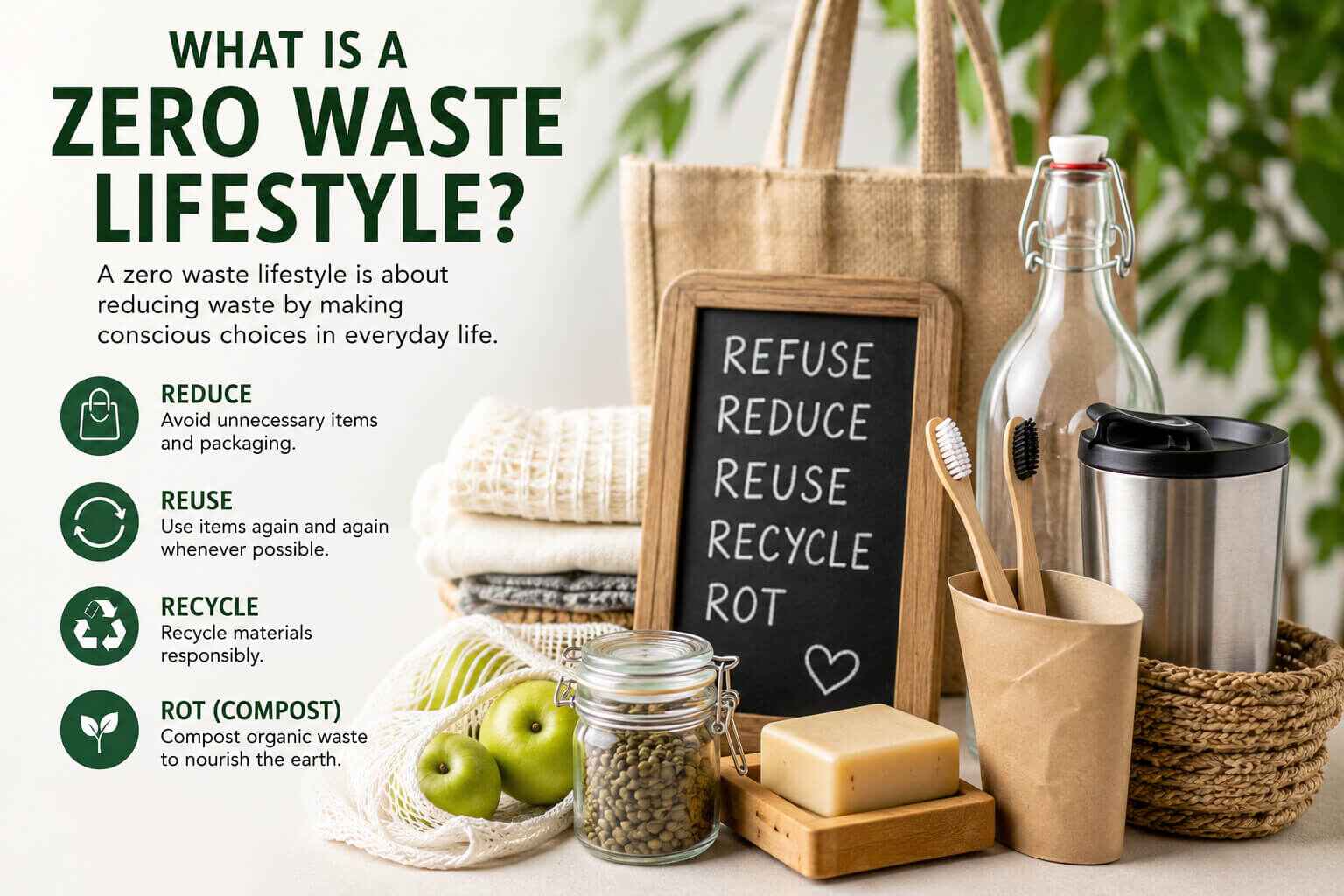
A zero waste lifestyle is a way of living that aims to send as little waste as possible to landfills or incinerators. It encourages people to rethink how they buy, use, and dispose of everyday products.
Instead of following a “buy, use, throw away” cycle, zero waste promotes a circular approach where products stay in use for as long as possible.
At its core, the movement focuses on making thoughtful choices rather than striving for perfection.
Many people mistakenly believe zero waste means fitting all your yearly trash into one tiny jar. While some individuals achieve this, most simply aim to reduce waste consistently over time.
Why Is a Zero Waste Lifestyle Important?
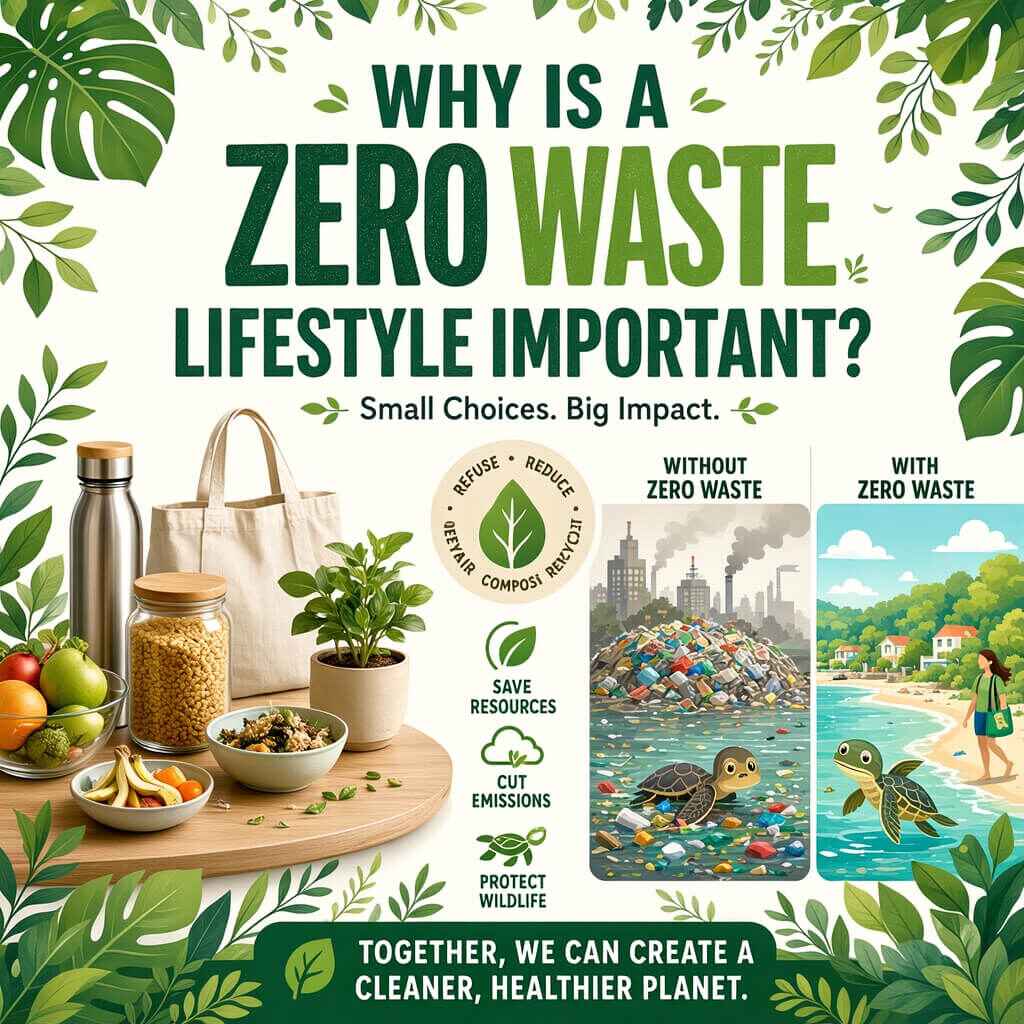
Every year, billions of tons of waste are generated worldwide. According to the World Bank, global municipal solid waste exceeds 2 billion tonnes annually and is expected to continue growing as populations and consumption increase.
Much of this waste ends up in landfills, where it produces methane—a greenhouse gas significantly more powerful than carbon dioxide over a 20-year period.
Plastic pollution is another major concern.
The United Nations estimates that around 11 million metric tons of plastic enter oceans every year, harming marine life and ecosystems.
Reducing household waste may seem like a small action, but millions of people making better choices can create meaningful environmental change.
The Five Principles of Zero Waste
Most zero waste advocates follow the 5Rs.
1. Refuse
Say no to things you don’t actually need.
Examples include:
- Plastic shopping bags
- Disposable cutlery
- Free promotional items
- Paper receipts
- Single-use water bottles
The easiest waste to manage is the waste that never exists.
2. Reduce
Own less and buy less.
Ask yourself before every purchase:
- Do I really need this?
- Can I borrow it?
- Can I repair what I already own?
- Will I use it regularly?
Buying fewer but higher-quality products often saves money over time.
3. Reuse
Replace disposable products with reusable alternatives.
Examples include:
- Stainless steel water bottles
- Cloth shopping bags
- Glass food containers
- Reusable coffee cups
- Cloth napkins
- Rechargeable batteries
Many reusable products last for years.
4. Recycle
Recycling helps recover valuable materials, but it should come after reducing and reusing.
Different cities accept different recyclable items, so always check local recycling guidelines.
Clean recyclable materials before placing them in recycling bins.
5. Rot (Compost)
Food scraps and yard waste can become nutrient-rich compost instead of landfill waste.
Common compostable items include:
- Fruit peels
- Vegetable scraps
- Coffee grounds
- Tea leaves
- Eggshells
- Dry leaves
Home composting also improves garden soil naturally.
Benefits of a Zero Waste Lifestyle
Living with less waste offers benefits that go beyond protecting the environment.
Save Money
Buying fewer disposable products reduces long-term spending.
Examples include:
- Refillable water bottles instead of bottled water
- Cloth towels instead of paper towels
- Reusable shopping bags
- Refillable soap containers
Small savings add up throughout the year.
Reduce Household Clutter
When you buy intentionally, your home naturally becomes less crowded.
Less clutter often means:
- Easier cleaning
- Better organization
- Less stress
- More usable space
Many people discover that simplifying their belongings improves everyday life.
Protect Natural Resources
Every product requires raw materials, energy, transportation, and packaging.
Using products longer reduces demand for:
- Trees
- Water
- Oil
- Metals
- Fossil fuels
This helps conserve limited natural resources.
Lower Carbon Emissions
Manufacturing new products consumes large amounts of energy.
Repairing, reusing, and buying secondhand reduce the emissions associated with producing new goods.
Support Healthier Habits
Many zero waste practices naturally encourage healthier choices.
For example:
- Cooking meals at home
- Buying fresh produce
- Walking to local refill stores
- Using fewer disposable plastics around food
Easy Ways to Start a Zero Waste Lifestyle
You don’t need to replace everything overnight.
Start with one habit at a time.
Carry Reusable Shopping Bags
Keep cloth bags in:
- Your car
- Backpack
- Purse
- Office
That way you’ll always have one available.
Bring a Water Bottle
A reusable bottle prevents hundreds of plastic bottles from being used every year.
Choose durable materials like:
- Stainless steel
- Glass
- BPA-free reusable plastic
Pack Your Own Lunch
Homemade lunches reduce packaging waste while often costing much less.
Reusable lunch containers work better than disposable plastic bags.
Buy in Bulk
Many grocery stores now offer bulk sections for:
- Rice
- Pasta
- Beans
- Oats
- Nuts
- Coffee
Buying only what you need also reduces food waste.
Switch to Refillable Products
Many companies now sell refill stations for:
- Shampoo
- Laundry detergent
- Dish soap
- Cleaning products
Refilling containers keeps plastic packaging in use much longer.
Compost Kitchen Scraps
Even apartment dwellers can use small countertop compost bins or participate in community composting programs.
Zero Waste Kitchen Tips
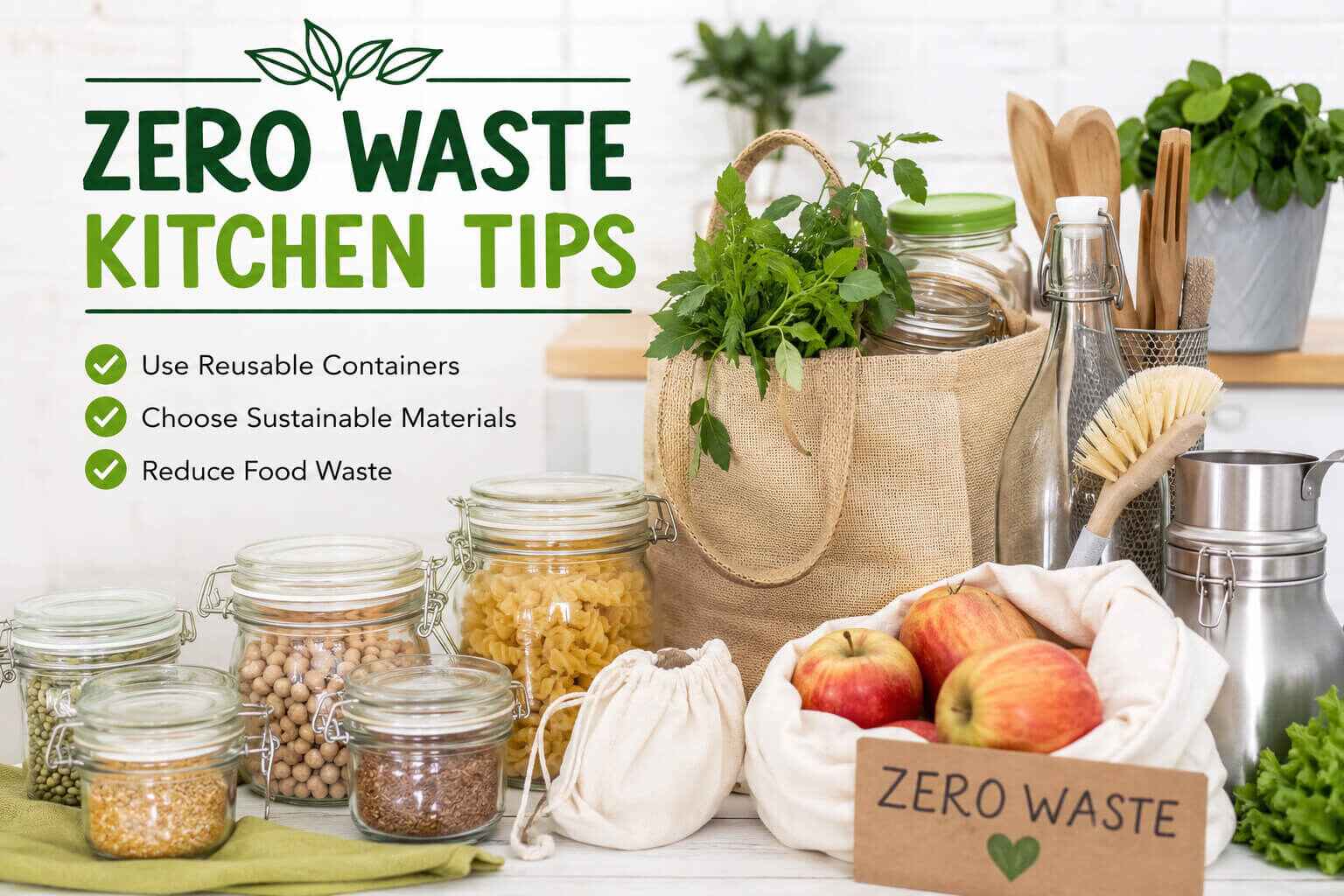
The kitchen often produces the most household waste.
Small improvements make a big difference.
Store Food Properly
Proper food storage extends freshness.
Glass containers help reduce food spoilage because it’s easier to see what’s inside.
Plan Weekly Meals
Meal planning helps you buy only what you’ll actually eat.
This reduces:
- Food waste
- Grocery bills
- Impulse purchases
Freeze Leftovers
Freezing extra meals prevents perfectly good food from ending up in the trash.
Label containers with dates to avoid forgetting them.
Replace Disposable Items
Instead of using:
- Plastic wrap
- Paper towels
- Disposable sponges
Try:
- Beeswax wraps
- Cloth towels
- Washable cleaning cloths
- Silicone storage bags
Sustainable Shopping Habits
Shopping differently is one of the biggest parts of reducing waste.
Before buying anything, consider this checklist:
- Can I borrow it?
- Can I buy it secondhand?
- Will it last for years?
- Is it repairable?
- Is there less packaging available?
Making thoughtful purchases often leads to better quality items.
Zero Waste Bathroom Swaps
Bathrooms generate a surprising amount of disposable waste.
Simple alternatives include:
- Bamboo toothbrushes
- Safety razors
- Shampoo bars
- Soap bars
- Reusable makeup remover pads
- Menstrual cups or reusable cloth pads
These products often last much longer than disposable versions.
Zero Waste at Work
Workplaces produce large amounts of paper and disposable packaging.
Easy habits include:
- Using a reusable coffee mug
- Bringing lunch from home
- Printing only when necessary
- Using digital notes
- Carrying reusable utensils
Many offices now actively encourage sustainable practices.
Zero Waste While Traveling
Travel doesn’t have to create excessive waste.
Pack a small reusable travel kit containing:
- Water bottle
- Coffee cup
- Reusable straw
- Cutlery
- Cloth shopping bag
- Food container
These lightweight items can replace dozens of disposable products during a trip.
Common Challenges and How to Overcome Them
It Feels Expensive
Many reusable products cost more initially.
However, they usually last for years, making them cheaper over time.
Buying fewer items also balances the upfront investment.
Family Members Aren’t Interested
Start with changes that don’t affect everyone.
For example:
- Use reusable grocery bags.
- Buy refillable soap.
- Reduce food waste.
Often others adopt the habits naturally after seeing the benefits.
Finding Plastic-Free Products
Availability has improved dramatically in recent years.
Many supermarkets now stock:
- Refillable products
- Compostable packaging
- Bulk foods
- Sustainable household items
Online retailers also offer more environmentally friendly options than ever before.
Common Mistakes Beginners Make
Many people quit because they try to change everything immediately.
Instead, avoid these mistakes:
- Throwing away usable items just to buy eco-friendly replacements
- Expecting perfection
- Buying unnecessary reusable gadgets
- Ignoring food waste
- Forgetting to repair broken items
The most sustainable product is often the one you already own.
Zero Waste Lifestyle Myths
Zero Waste Means Producing Absolutely No Trash
Reality:
Almost nobody creates zero trash.
The goal is reducing waste—not achieving perfection.
It’s Only for Wealthy People
Many zero waste habits actually save money.
Examples include:
- Buying secondhand
- Repairing clothes
- Cooking at home
- Borrowing instead of buying
Recycling Solves Everything
Recycling is helpful but should come after reducing and reusing.
The most effective way to cut waste is preventing it from being created.
The Future of the Zero Waste Lifestyle
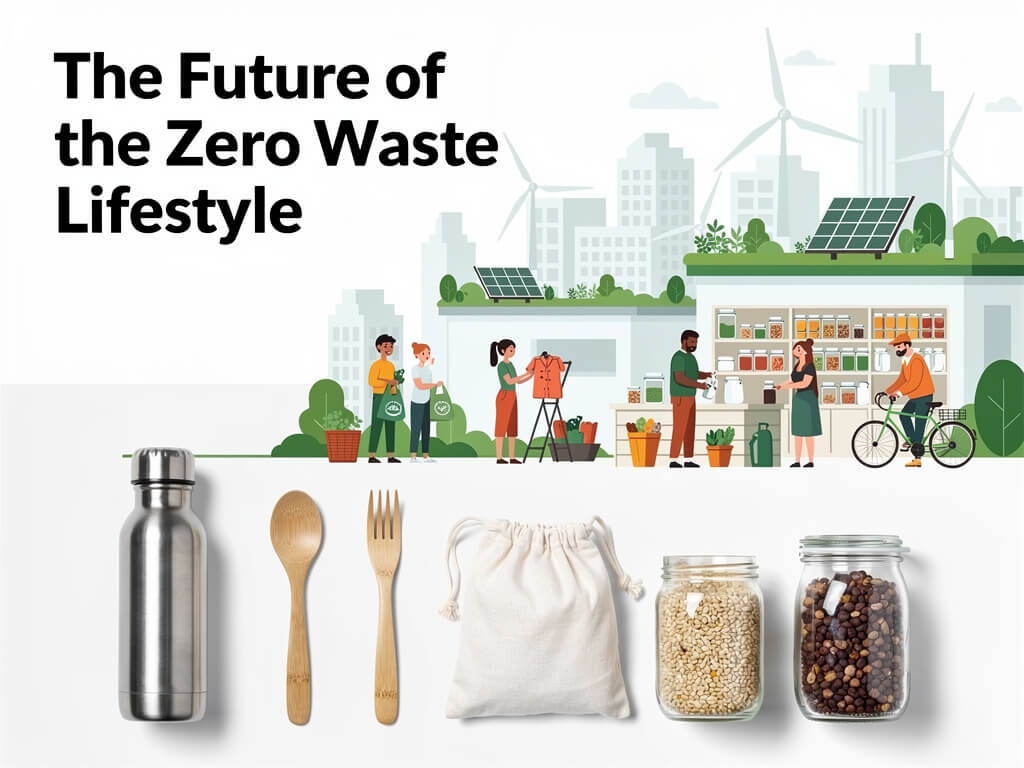
In 2026, sustainability has become a priority for governments, businesses, and consumers alike.
More cities are expanding composting services, refill stores are becoming more common, and manufacturers are introducing reusable packaging systems. Many companies are also redesigning products to use fewer materials and improve recyclability.
Consumers now have more choices than ever before, making waste reduction easier than it was just a few years ago.
The future points toward a circular economy where products are designed to be repaired, reused, and recycled rather than discarded after a single use.
Frequently Asked Questions
Is a zero waste lifestyle expensive?
Not necessarily. While some reusable products cost more initially, most save money over time by replacing disposable items and encouraging mindful shopping.
Can beginners follow a zero waste lifestyle?
Yes. Start with one habit, such as carrying a reusable water bottle or cloth shopping bag. Small, consistent changes are easier to maintain than trying to overhaul your lifestyle overnight.
What is the biggest source of household waste?
For many households, food waste and single-use packaging make up a large share of everyday trash. Planning meals, composting, and buying in bulk can significantly reduce both.
Does recycling alone make a home zero waste?
No. Recycling is important, but reducing consumption and reusing products have a greater impact because they prevent waste from being created in the first place.
How long does it take to adopt a zero waste lifestyle?
There is no fixed timeline. Some habits can change in a day, while others develop over months or years. The key is making steady improvements rather than aiming for perfection.
Final Thoughts
A zero waste lifestyle is about making practical choices that reduce waste, conserve resources, and simplify daily life. You don’t need to transform your home overnight or eliminate every piece of trash to make a meaningful difference. Start with one reusable product, reduce unnecessary purchases, and focus on building sustainable habits that fit your routine. Over time, these small actions can lower your environmental impact, save money, and contribute to a cleaner, healthier future for everyone.