
Introduction
The eighties mobile phone represents one of the most important turning points in the history of communication technology. During the 1980s, mobile phones were not the slim, powerful devices we carry today. Instead, they were large, heavy, expensive, and limited—but they changed the world forever.
Before the rise of the eighties mobile phone, communication depended heavily on landlines, payphones, or radio systems. People had to stay in one place to make or receive calls. The introduction of mobile telephony in the 1980s broke that limitation and introduced the idea of “calling from anywhere,” even if that “anywhere” was still very restricted at the time.
The eighties mobile phone era laid the foundation for today’s smartphones. It introduced early cellular networks, portable communication devices, and the concept of wireless connectivity. Although primitive by modern standards, these devices were revolutionary in their time and marked the beginning of a global communication revolution.
In this article, we will explore the history, features, technology, limitations, and legacy of the eighties mobile phone, along with interesting facts and comparisons that show how far mobile technology has come.
What Is an Eighties Mobile Phone?
An eighties mobile phone refers to the first generation of commercially available portable cellular phones introduced during the 1980s. These phones used analog cellular networks (1G technology) and were primarily designed for voice communication.
Unlike today’s smartphones, the eighties mobile phone had very basic functionality:
- Making and receiving calls
- Storing a limited number of contacts
- Very basic signal reception
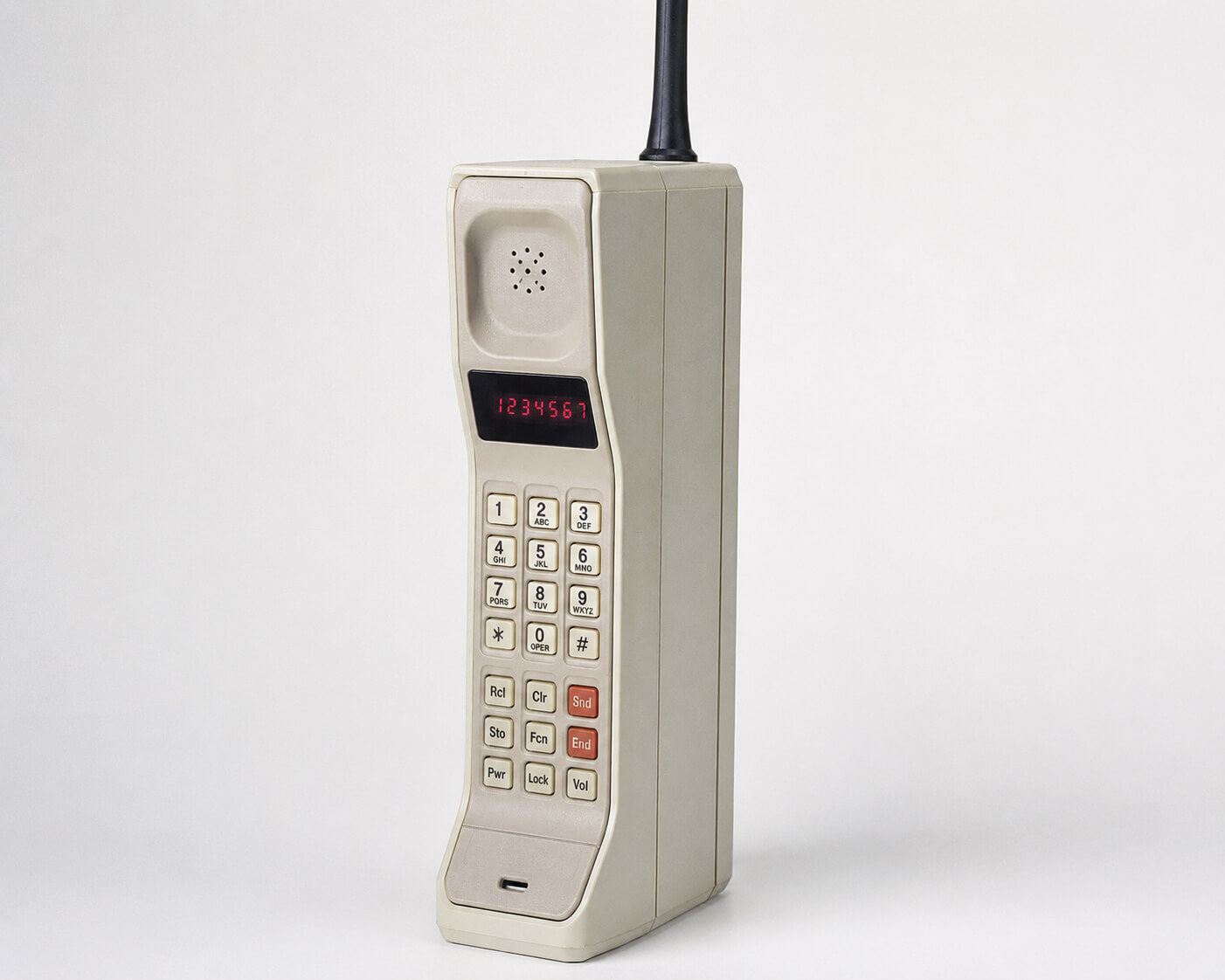
The most iconic example of an eighties mobile phone is the Motorola DynaTAC 8000X, which became commercially available in 1983.
These early devices were not designed for mass usage. Instead, they were considered luxury items used by business executives, politicians, and wealthy individuals.
History and Evolution of the Eighties Mobile Phone
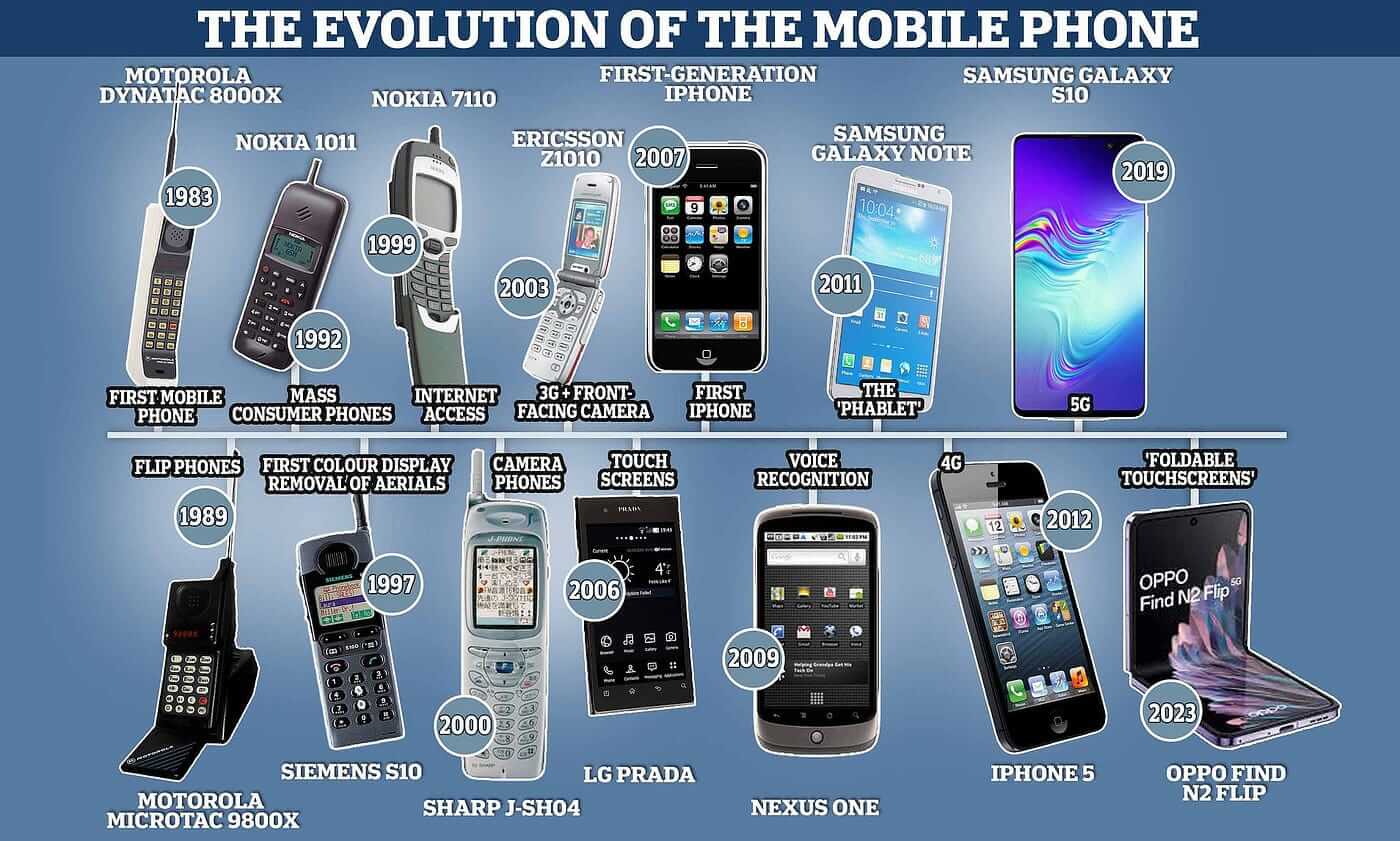
The development of the eighties mobile phone began long before the 1980s, but it was during this decade that mobile communication became commercially viable.
Key Milestones
- 1940s–1970s: Early Concepts
- Cell phones existed, but were not truly mobile.
- Systems were bulky and relied on radio towers.
- 1973: First Handheld Call
- Martin Cooper of Motorola made the first handheld mobile call.
- This moment is considered the birth of the mobile phone era.
- 1983: Commercial Launch
- Motorola released the DynaTAC 8000X.
- This marked the arrival of the first eighties mobile phone for consumers.
- Late 1980s: Expansion
- More models were introduced.
- Cellular networks began expanding in the United States, Europe, and Japan.
The eighties mobile phone evolved slowly due to technological limitations, especially battery life and network infrastructure.
Key Features of Eighties Mobile Phones
Even though the eighties mobile phone was primitive, it introduced several groundbreaking features for its time.
Main Features
- Portable design (relatively speaking)
- Analog signal transmission (1G networks)
- Voice calling only
- Limited battery capacity
- Built-in or detachable antennas
- Memory for a small number of contacts
Physical Characteristics
- Very large size (almost like a brick)
- Heavyweight (around 1–1.5 kg)
- Thick external antenna
- Simple keypad with physical buttons
Battery Performance
- Talk time: around 30–60 minutes
- Charging time: up to 10 hours
- Standby time: very limited compared to modern devices
These limitations show how early the eighties mobile phone technology was, yet it still revolutionized communication.
Technology Behind the Eighties Mobile Phone
The eighties mobile phone operated on first-generation (1G) analog cellular networks. This technology was groundbreaking at the time.
How It Worked
- Voice signals were transmitted using analog radio waves.
- Calls were routed through cellular towers.
- Each tower covered a limited geographic area called a “cell.”
- Phones switched between towers as the user moved.
Core Technologies
- Analog Frequency Modulation (FM)
- Cellular network structure
- Radio frequency transmission
- Basic switching systems
Network Limitations
- Poor call quality compared to modern standards
- Frequent call drops
- Limited coverage areas
- No encryption (calls were not secure)
Despite these limitations, the eighties mobile phone system was a massive improvement over car phones and landlines.
Famous Eighties Mobile Phone Models
Several devices defined the eighties mobile phone era. Some became icons of technological progress.
1. Motorola DynaTAC 8000X
- Released: 1983
- Weight: ~1.1 kg
- Talk time: 30 minutes
- Price: Around $3,995 (extremely expensive at the time)
2. Nokia Mobira Talkman
- Released: Late 1980s
- More portable than earlier models
- Used in vehicles and briefcases
3. Ericsson Hotline Series
- Early mobile units used in Europe
- Focused on business users
These models defined what the eighties mobile phone looked and felt like—large, expensive, but groundbreaking.
Limitations of the Eighties Mobile Phone
Although revolutionary, the eighties mobile phone had many limitations.
Major Limitations
- Extremely high cost
- Short battery life
- Large and heavy design
- Limited coverage
- No text messaging or apps
- Poor audio quality
- No encryption or security
Accessibility Issues
Only wealthy individuals could afford an eighties mobile phone. For example, the Motorola DynaTAC cost nearly $4,000, which is equivalent to over $10,000 today when adjusted for inflation.
This made mobile phones a status symbol rather than a common tool.
Impact of Eighties Mobile Phones on Society
The eighties mobile phone had a massive social and economic impact, even with its limitations.
Business Communication Revolution
- Executives could communicate while traveling.
- Decision-making became faster.
- Business operations became more flexible.
Emergency Communication
- Improved access to emergency services.
- Better coordination during travel and field work.
Lifestyle Changes
- Introduced the idea of “always reachable.”
- Began reducing dependency on landlines.
Cultural Impact
- Mobile phones became symbols of wealth and success.
- Featured in movies as luxury gadgets.
The eighties mobile phone did not just change communication—it changed human behavior.
Eighties Mobile Phone vs Modern Smartphones
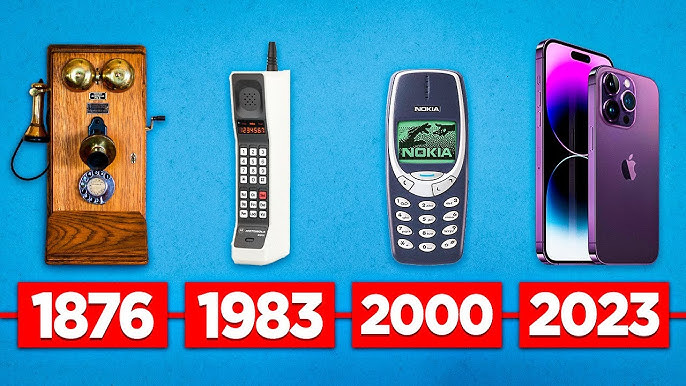
The difference between the eighties mobile phone and today’s smartphones is enormous.
Comparison Table
| Feature | Eighties Mobile Phone | Modern Smartphone |
|---|---|---|
| Weight | 1 kg+ | 150–200 grams |
| Battery | 30–60 min talk | 8–24 hours usage |
| Functions | Calls only | Internet, apps, camera |
| Network | 1G analog | 4G/5G digital |
| Price | Extremely expensive | Affordable options available |
Key Differences
- No internet in eighties mobile phone
- No touchscreen or apps
- Very limited memory
- No multimedia support
This comparison shows how far mobile technology has evolved since the eighties mobile phone era.
Interesting Facts About Eighties Mobile Phones
Here are some fascinating facts about the eighties mobile phone:
- The first mobile phone call was made in 1973, but commercial phones arrived in the 1980s.
- Early mobile phones cost more than a used car.
- The Motorola DynaTAC was nicknamed “the brick” due to its size.
- Charging time was almost as long as overnight sleep.
- Early users often carried spare batteries due to short battery life.
Surprising Statistics
- Less than 1% of the global population owned a mobile phone in the 1980s.
- Mobile networks covered only major cities.
- Early devices could store fewer than 30 contacts.
These facts highlight how rare and valuable the eighties mobile phone was.
Legacy of the Eighties Mobile Phone
The eighties mobile phone laid the foundation for the entire mobile industry we know today.
Technological Legacy
- Introduced cellular network systems
- Paved the way for 2G, 3G, 4G, and 5G technologies
- Inspired smartphone innovation
Industry Growth
- Created billion-dollar telecom industries
- Led to global mobile adoption
- Encouraged innovation in battery and chip technology
Social Legacy
- Changed how humans communicate
- Started the era of mobile connectivity
- Influenced the modern digital lifestyle
Without the eighties mobile phone, today’s smartphones would not exist.
Why the Eighties Mobile Phone Still Matters Today
Even in 2026, the eighties mobile phone remains important in understanding technological progress.
It reminds us that:
- Innovation starts small
- Technology evolves rapidly
- Early limitations lead to future breakthroughs
The eighties mobile phone is not just a device—it is a symbol of human creativity and progress.
Conclusion
The eighties mobile phone marked the beginning of a communication revolution that continues to shape our world today. While it was large, expensive, and limited in functionality, it introduced the core idea of mobile communication.